
Sex Dubai Shares Discreet Cues: What You Need to Know
You’ve heard the whispers. Maybe you saw someone glance at a watch in a quiet corner of a rooftop bar. Or noticed a woman in a tailored abaya slip a folded note into a man’s coat pocket at a gallery opening. In Dubai, where public behavior is tightly regulated, intimacy doesn’t shout-it signals.
What These Discreet Cues Actually Mean
Dubai doesn’t have open brothels or street-level solicitation. That’s not just law-it’s culture. But that doesn’t mean connection doesn’t happen. What you’re seeing aren’t random gestures. They’re coded, learned, and deeply contextual. A raised eyebrow held a second too long. A coffee cup pushed just slightly toward the edge of a table. A name whispered into a phone, then immediately hung up.
These aren’t pickup lines. They’re survival tactics. People who seek private, consensual encounters here have spent years reading the room-literally. A hotel lobby at 11 p.m. on a Tuesday? Not the place. A quiet corner booth at Al Dhiyafah after a business dinner? Maybe. A private villa in Al Barsha with no visible security cameras? That’s the real target.
And yes, it works. Not because it’s flashy, but because it’s invisible to anyone not looking for it.
Why Discretion Isn’t Just Preferred-It’s Necessary
Let’s be clear: Dubai has strict laws around public indecency, adultery, and extramarital relationships. Penalties aren’t fines-they’re jail time, deportation, or both. So when someone says they’re looking for "discreet services," they’re not being poetic. They’re being literal.
What you won’t see on Google Maps: private apartments rented by the hour under false names. What you won’t hear on the radio: coded phrases like "I need a refill on the green tea" meaning "I’m available tonight." What you won’t find in tourist brochures: the unmarked door behind the floral arrangement in the lobby of the Al Habtoor Palace that leads to a private elevator.
This isn’t about rebellion. It’s about survival. People here-expats, locals, tourists-have built systems that let them connect without risking everything. The cues are the language of that system.
How These Signals Work in Practice
Here’s how it actually plays out:
- A woman leaves her phone unlocked on a cafe table with a photo of a sunset as the wallpaper. That’s not a careless mistake. It’s a signal that she’s open to contact, but only from someone who notices the detail.
- A man wears a specific watch-a limited edition Rolex Submariner with a black dial-on his left wrist. That’s a known identifier among a tight-knit network. It doesn’t mean anything to you. To them, it means "I’m vetted. I’m safe. I’m here."
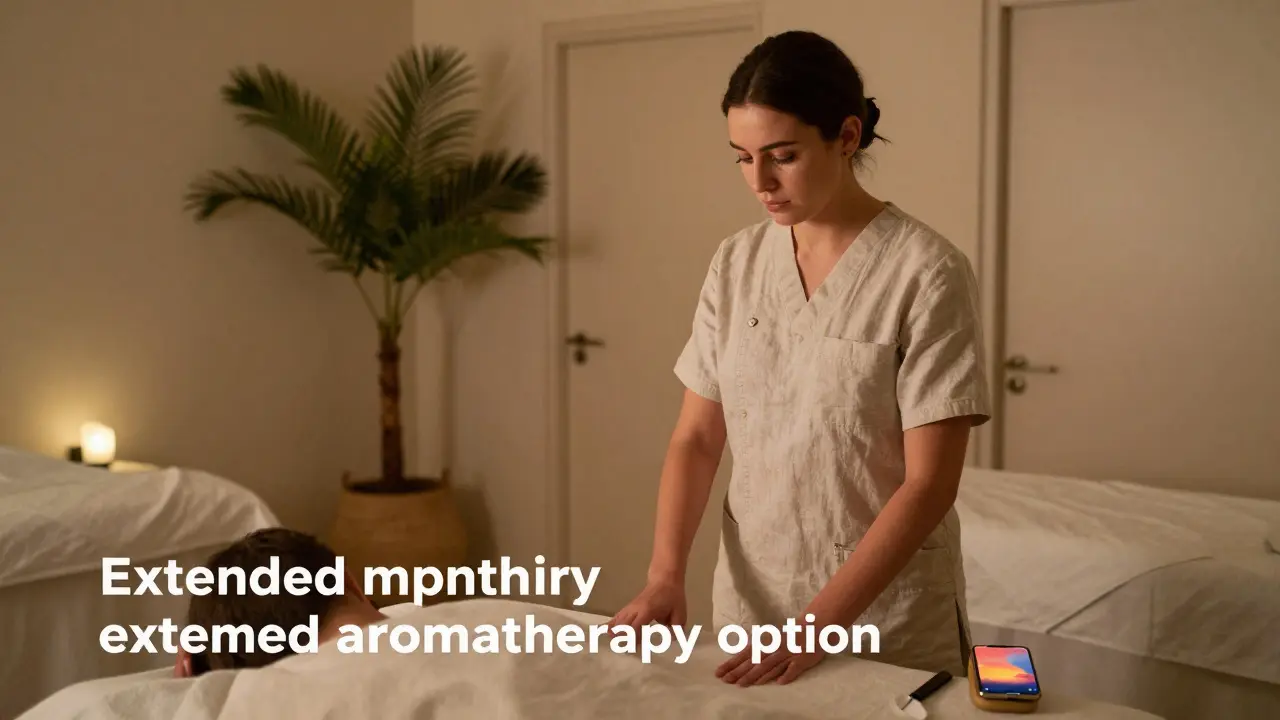
- At a high-end spa, a therapist asks if you’d like "the extended aromatherapy option." That’s not a massage upgrade. It’s a soft pitch for a private follow-up session, booked through a secure app with no visible branding.
These aren’t random. They’re repeated, tested, and refined over years. The people who use them aren’t amateurs. They’re professionals-some with backgrounds in hospitality, others in security, all with one thing in common: they know how to move through Dubai without leaving a trace.
Where These Cues Are Most Common
Not every neighborhood is the same. Here’s where the signals are strongest:
- Al Barsha: Quiet villas, low foot traffic, and a high concentration of long-term expats. This is ground zero for private meetups.
- DIFC: High-end coffee shops, late-night book clubs, and corporate retreats. The cues here are subtle-think a shared glance over a business card, or a comment about "needing a quiet place to unwind after the meeting."
- Jumeirah Beach Residence (JBR): Rooftop lounges, private beach access, and luxury condos. The signals here are visual: a specific shade of lipstick, a bracelet with a hidden clasp, a tattoo peeking out from under a sleeve.
- Al Quoz: Industrial spaces turned into art galleries and private studios. This is where the most creative cues live-art installations with QR codes that lead to encrypted messaging apps.
These aren’t "red light districts." They’re quiet corners of a city that knows how to keep secrets.
What Happens After the Cue Is Received
Once the signal is picked up, the next steps are even more controlled. No texts. No calls. No social media DMs.
Instead:
- A secure app called Velvet is used-no Google Play listing, no Apple App Store presence. You get access only through a referral code from someone already in the network.
- Meetings are scheduled with a 48-hour window. No last-minute plans. Too risky.
- Locations change every time. One night it’s a villa in Dubai Hills. The next, a private suite in a five-star hotel under a different guest name.
- Payment is always cash, in dirhams, left in an envelope with no name.
There’s no waiting in lobbies. No awkward small talk. No "Are you sure about this?" The entire process is designed to feel like a quiet exhale after holding your breath for too long.
What to Expect-And What Not To
Let’s clear up the myths:
- Myth: It’s like in the movies-glamorous, loud, full of champagne and lingerie.
- Reality: It’s quiet. Neutral tones. Soft lighting. No music. No alcohol. The focus is on connection, not spectacle.
- Myth: You’ll be approached on the street or in a club.
- Reality: You’ll never be approached. You’ll have to notice the cue first.
- Myth: It’s dangerous or exploitative.
- Reality: The network is self-policing. People who break the rules-by being loud, demanding, or aggressive-are permanently blacklisted. Reputation matters more than money here.
The experience isn’t about intensity. It’s about relief. The relief of being seen without being judged. Of being desired without being exposed.
How to Recognize the Cues-Without Getting Caught
If you’re wondering how to spot these signals without drawing attention, here’s what works:
- Observe patterns, not people. Look for repeated behaviors-same seat at the same café, same watch, same color scarf.
- Don’t initiate. Wait. If you’re meant to connect, the cue will come to you.
- Never record, photograph, or screenshot anything. Even a glance at your phone can trigger suspicion.
- Don’t ask questions. If you’re unsure, stay quiet. Silence is safer than curiosity.
- Trust your gut. If something feels off, walk away. There’s no shame in not being part of this world.
The most successful people in this space aren’t the ones who try the hardest. They’re the ones who notice the most.

Comparison: Discreet Cues vs. Traditional Adult Services in Dubai
| Aspect | Discreet Cues | Traditional Adult Services |
|---|---|---|
| Visibility | Undetectable to outsiders | Often advertised online or in print |
| Legal Risk | Very low-no direct transactions | |
| Booking Method | Encrypted apps, referrals only | WhatsApp, Telegram, public websites |
| Payment | Cash only, no digital trail | Credit cards, apps, bank transfers |
| Location | Private homes, rented villas, hotel suites | Brothels, massage parlors, unlicensed apartments |
| Verification | Reputation-based, vetted network | Photo-based, often unverified |
| Privacy Level | Extremely high | Low to moderate |
Frequently Asked Questions
Are these discreet cues legal in Dubai?
The cues themselves-glances, gestures, coded phrases-are not illegal. What’s illegal is the act of engaging in sexual activity outside of marriage. The system described here avoids direct transactions, public advertising, or digital trails, making it harder to prosecute. But legality isn’t the same as safety. Always assume you’re being watched.
Can tourists use these discreet networks?
Technically, yes-but it’s riskier. Tourists leave digital footprints: hotel bookings, visa stamps, passport scans. If you’re flagged, you could face deportation. Most networks avoid tourists entirely. If you’re invited, you’re already vetted. Don’t try to force your way in.
How do people get into these networks?
It’s always through someone already in. A friend of a friend. A colleague at work. A client at a spa. There’s no sign-up page. No app store. No Google search. You don’t find it-you’re invited. If you’re not being invited, you’re not meant to be part of it.
What happens if you get caught?
If you’re caught in an act, consequences are severe: jail, deportation, fines, and a permanent ban from the UAE. Even if you’re not caught in the act, being linked to a known network can trigger immigration scrutiny. This isn’t a game. The stakes are real.
Is this just a myth or rumor?
No. This isn’t fiction. It’s lived reality for thousands of people in Dubai. The system has been operating for over a decade. It’s not perfect, but it’s effective. People who rely on it do so because they have no other safe option. It’s not about rebellion-it’s about dignity.
Final Thought: It’s Not About Finding It-It’s About Being Ready
You don’t need to chase these cues. You don’t need to learn the code. If you’re meant to be part of this world, you already know it. If you’re wondering how to find it, you’re not ready. And that’s okay.
Dubai rewards silence. It rewards patience. It rewards those who understand that some things are meant to be felt, not found.



About Author