Dubai Women's Fashion: Top Style Trends and Shopping Guide 2026
Dubai Women's Style Guide
If you're exploring Dubai's fashion scene, you've come to the right place. Dubai stands at the intersection of traditional Arabian heritage and cutting-edge modern fashion. Walking through areas like Dubai Mall or Jumeirah, you'll notice something fascinating - women here masterfully blend cultural traditions with global trends in ways that feel completely natural.
This guide breaks down everything you need to know about Dubai women's style preferences, from everyday looks to red-carpet glamour. You'll discover where to shop, what's trending in 2026, and how to pull together outfits that respect local culture while staying fashion-forward.
Quick Summary
- Abruj and Abaya styles remain iconic but have evolved into designer statements worth AED 2,000-50,000+
- Luxury shopping hubs concentrate in Dubai Mall, Wafi Mall, and City Walk
- Local boutiques in Jumeirah and DIFC offer exclusive custom tailoring services
- Fabric choices favor silk blends, chiffon, and lightweight materials year-round
- Modest fashion trends influence global designers and social media influencers
Understanding Dubai Fashion Context
Dubai's fashion culture operates within a unique framework. Unlike cities where you might see anything go, Dubai maintains a balance between respecting cultural norms and embracing international luxury brands. When visiting neighborhoods like Burj Khalifa vicinity or Palm Jumeirah, you'll observe locals dressed elegantly in both contemporary Western wear and traditional garments.
The city hosts over 150 international fashion shows annually. Events like Dubai Design Week and GITEX showcase why this region drives global trend adoption faster than most markets. Designers who launch here gain immediate access to high-spending clientele who value exclusivity and craftsmanship.
Temperature plays a huge role in fabric selection. During summer months when temperatures reach 40°C (104°F), breathable fabrics dominate. Silk-cotton blends and linen options become essential for comfort while maintaining elegance. Winter brings opportunities for heavier textiles and layering pieces.
Traditional Garments with Modern Twists
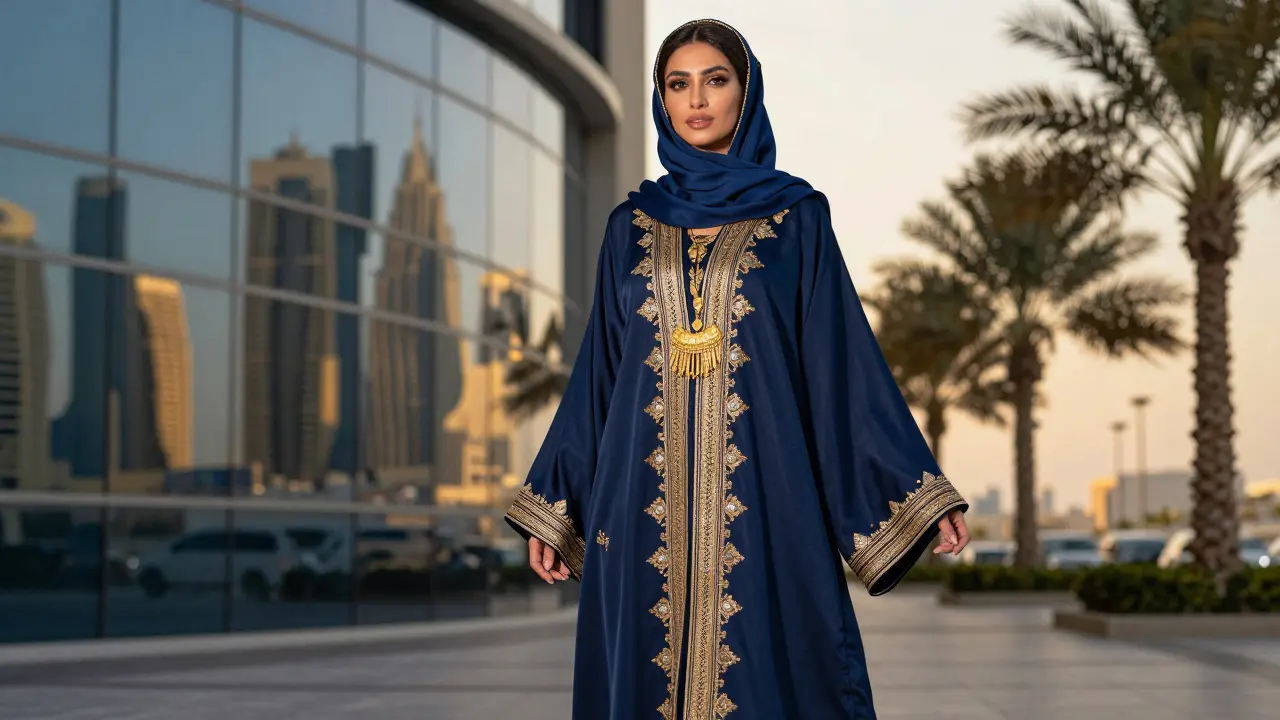
AbayaA long, loose-fitting cloak traditionally worn by women across the Middle East, now available in various designs and price points remains the foundation of many local outfits. What you're seeing in 2026 goes far beyond black-and-basic. Designer abayas incorporate embroidery, metallic threads, and architectural cuts that command attention.
Retailers like Elie Saab Atelier release limited edition pieces during Ramadan collections. Prices range dramatically - from ready-to-wear versions at 800 AED to bespoke creations exceeding 45,000 AED depending on fabric quality, embellishments, and designer reputation.
Kandura/KhumurTraditional headscarf complementing abaya ensembles with diverse styling options styling has become equally sophisticated. Geometric patterns, floral motifs, and coordinated accessories transform simple wraps into statement pieces. Local stylists recommend matching hijab texture to abaya fabric weight for cohesive appearance.
Contemporary Fashion Choices
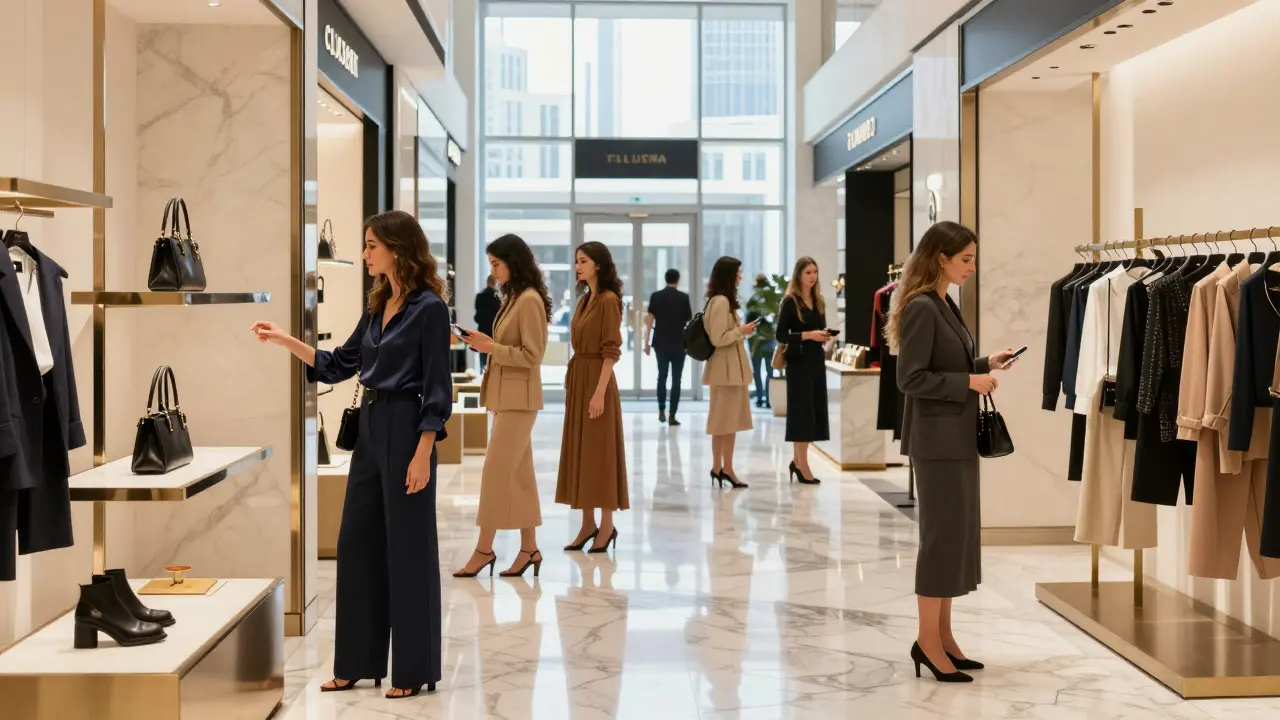
Modern Dubai women seamlessly integrate international trends into their wardrobes. High-end malls stock European luxury houses alongside regional designers who understand cultural sensitivities while pushing creative boundaries. You'll find everything from Gucci and Chanel to emerging Gulf-region labels making waves globally.
Casual weekend outfits typically feature:
- Wide-leg trousers paired with silk blouses
- Midi dresses with modest coverage and contemporary prints
- Oversized blazers layered over slip dresses
- Quality footwear - sneakers during active days, heeled sandals for evenings
Business attire in districts like DIFC leans professional yet stylish. Tailored suits, power pantsuits, and structured jackets form the backbone of corporate wardrobes. Colors remain conservative - navy, charcoal, camel tones - though pattern accents in scarves add personality.
Shopping Destinations
For comprehensive retail experiences, certain locations consistently deliver exceptional results. Here's where experienced shoppers prioritize their visits:
| Location | Best For | Price Range | Vibe |
|---|---|---|---|
| Dubai Mall | International luxury brands, department store variety | AED 500-50,000+ | Bustling tourist destination |
| DIFC Galleria | Bespoke tailoring, private shopping | AED 1,500-100,000+ | Exclusive business atmosphere |
| City Walk | Trendy boutique brands, outdoor spaces | AED 400-8,000 | Young professional crowd |
| Souk Al Bahar | Traditional crafts, designer pop-ups | AED 300-5,000 | Authentic Arabian setting |
| Al Seef | Cultural merchandise, modest fashion | AED 200-3,000 | Heritage-focused shopping |
Mall culture peaks during Dubai Shopping Festival (January-March) when discounts reach 70%. VIP preview sessions allow early access to new season arrivals. Appointment-only boutiques require reservations weeks ahead during peak seasons.
Fabric Considerations Year-Round
Clothing decisions heavily depend on weather patterns. Summer dominates November through April with scorching heat. Lightweight materials provide essential breathability while maintaining elegant silhouettes. Chiffon flows beautifully without overwhelming body temperature regulation.
Winter offers opportunities for richer textures. Cashmere wraps, wool blends, and velvet accents transition pieces between cooler indoor environments and mild outdoor conditions. Layering becomes strategic - removing outerwear indoors while maintaining covered shoulders and arms.
Premium fabric suppliers operate concentrated wholesale markets. Gold Souk provides silk by meter pricing competitive with Asian equivalents. Quality inspection before purchase prevents counterfeit purchases common in certain vendors.
Accessories and Styling Details
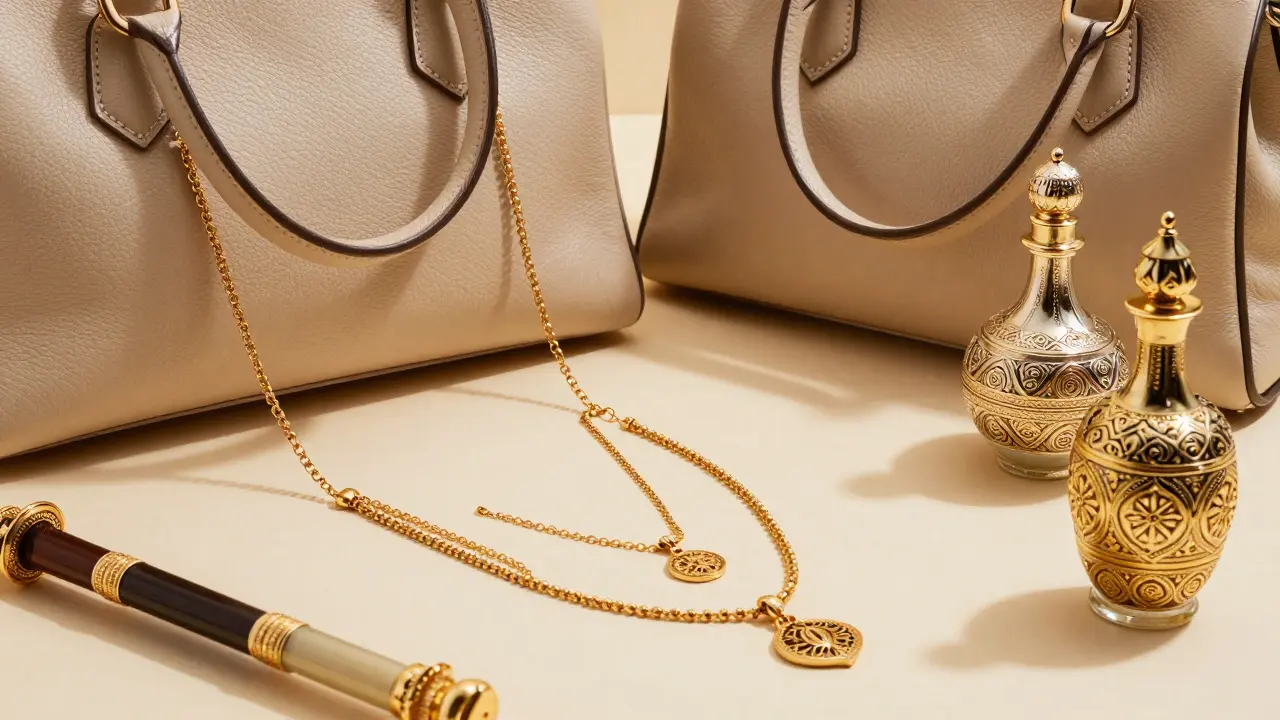
Complete looks rely on carefully selected accessories. Jewelry ranges from understated gold pieces reflecting tradition to avant-garde statement necklaces from European designers. Layered gold chains paired with modern minimalism create signature Gulf aesthetics gaining Instagram followings worldwide.
Handbags serve dual purposes - practical storage plus visual elevation. Leather craftsmanship from Italian makers competes directly with house-brand offerings. Investment pieces maintain resale value significantly better than fast-fashion alternatives popular elsewhere.
Perfume houses occupy prime mall positions for good reason. Regional oud-based fragrances distinguish Dubai shoppers globally. Brands like Lattafa and Rasasi blend traditional ingredients with contemporary bottle design aesthetics commanding premium prices.
Seasonal Collections and Planning
Strategic wardrobe investment requires planning around three annual cycles:
- Summer Refresh (May-June): New arrivals focus on breathable materials
- Ramadan Collection (Month varies): Exclusive abayas and evening wear
- Winter Transition (November): Heavier textures and layering pieces
Dubai Fashion Week launches fall/winter collections mid-January. Early access previews offer first look at trend directions influencing broader market availability six months later. Industry insiders track these events for forecasting seasonal shifts.
Cultural Sensitivity Guidelines
When visiting Dubai, understanding dress expectations enhances experience quality. Public spaces generally expect shoulder and knee coverage regardless of nationality. Religious sites enforce stricter requirements - head covering mandatory for entry to active mosques open to tourists.
Beach resorts relax standards considerably, but venturing beyond hotel premises returns you to mainstream expectations. Resortwear works at private facilities like Atlantis Aquaventure or Madinat Jumeirah pools, transitioning to modest street clothes after leaving property grounds.
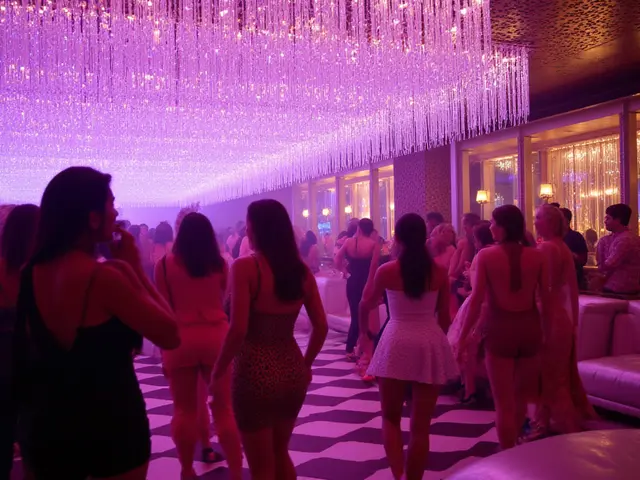
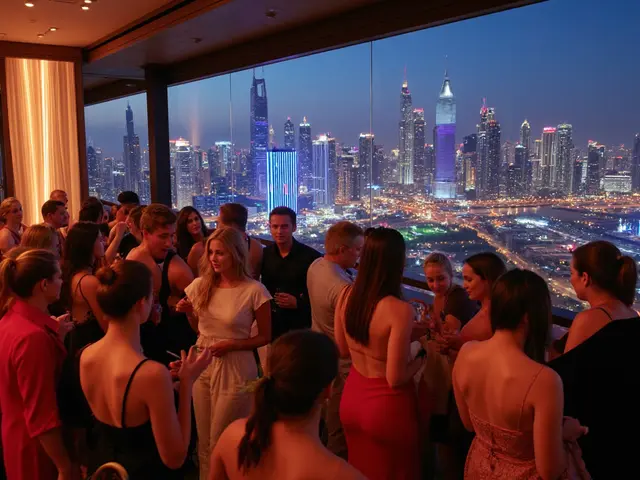
Smart casual evening wear suits restaurants, theaters, and upscale venues. Club zones occasionally permit bolder choices, though full discretion remains preferable. When uncertain, slightly overdressed beats appearing too revealing.
Customization Services
Personal tailoring represents significant advantage for visitors. Several boutiques specializing in bespoke modifications exist throughout shopping districts. Professional adjustments convert off-the-rack purchases into personalized fits accounting for specific proportions.
Process typically involves consultation, measurement taking, multiple fittings, and final adjustments averaging two weeks completion time. Custom abayas include individualized embroidery patterns, color selections, and length specifications addressing particular height concerns.
Cost structures separate material expenses from labor charges. Standard alterations start around 150 AED per modification. Full redesigns requiring structural changes increase costs proportionally. Established relationships with local seamstresses streamline recurring orders efficiently.
Budget Allocation Strategies
Building sustainable wardrobes demands balanced spending approaches. Foundation pieces deserve higher investment allocations - quality blazers, versatile trousers, reliable outerwear layers endure multiple seasons effectively.
Trend-driven items warrant conservative budgets. Seasonal prints, novelty accessories, experimental cuts lose relevance quickly. Allocate roughly 60% budget to timeless foundations, reserving remaining percentage for temporary experimentation.
Sales cycles present opportunity windows. End-of-season clearance periods reduce prices substantially. Department stores frequently discount last year's inventory to accommodate incoming stock rotations.
FAQ: Your Questions About Dubai Women's Fashion Answered
What should non-locals wear when visiting Dubai?
Tourists enjoy reasonable flexibility but should respect local customs. Choose knee-length skirts or below-mid-thigh shorts, tops covering shoulders, and avoid transparent fabrics. Swimwear acceptable only at pool/beach areas within resort properties. Evening venue dressing similar to major Western cities - smart casual minimum standard applies universally.
How do abayas vary in price point?
Ready-made basic abayas start around 200-300 AED. Mid-range designer versions cost 1,000-3,000 AED featuring better fabrics and finishes. Luxury editions reaching 10,000-50,000+ AED include intricate embroidery, rare textiles, and celebrity designer signatures. Custom orders priced individually based on complexity level.
Where can I find modest fashion brands?
Dedicated modest fashion sections exist in Dubai Mall (Level 2-3), Wafi Mall specialty floors, and standalone retailers along Sheikh Zayed Road. Dedicated online platforms also ship nationwide offering extensive filtering tools for finding appropriate modest options covering various price segments.
Can tourists wear swimwear outside hotels?
Generally no - beachwear restricted to designated water attractions only. Cover up immediately when entering restaurant areas, walking paths, or transit vehicles. Private yacht charters and some beach clubs may show different rules, always verify specific venue guidelines beforehand.
What's appropriate for business meetings in DIFC?
Professional attire expected throughout financial district. Conservative suits, structured blazers, polished shoes standard baseline. Local business women often combine tailored pieces with traditional elements creating distinctive appearances balancing modern professionalism with cultural identity markers.
Next Steps
Ready to explore Dubai's vibrant fashion landscape? Start by visiting one major mall during weekday morning hours when crowds thin out significantly. Request personal shopper assistance - knowledgeable staff guide efficient route planning maximizing discoveries within allocated timeframe.
Download relevant shopping apps offering real-time promotion updates and appointment booking capabilities. Follow regional designer accounts on social media platforms to identify upcoming collection drops before wider distribution begins.
Maintain realistic expectations around acquisition costs. While sales periods offer genuine savings, premium positioning means absolute prices still reflect luxury positioning. Budget accordingly to avoid financial strain while enjoying world-class retail experiences available nowhere else globally.
About Author